

Let’s consider an operational scenario. A seaport has a vessel scheduled to load bulk cargo. Staff are also preparing a freight train for dispatch. Several trucks will arrive to collect their ...
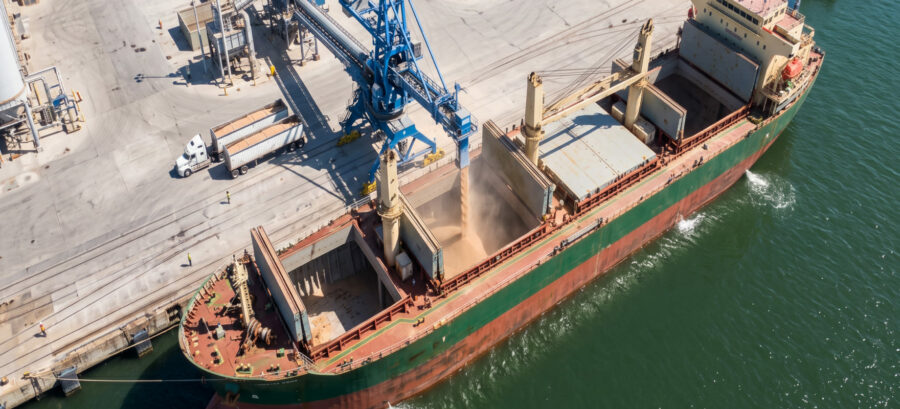
Let’s look at a freight train arriving at a bulk terminal with a declared cargo weight. The shipment is unloaded in several stages, placed in storage and eventually dispatched by sea. Between the ...
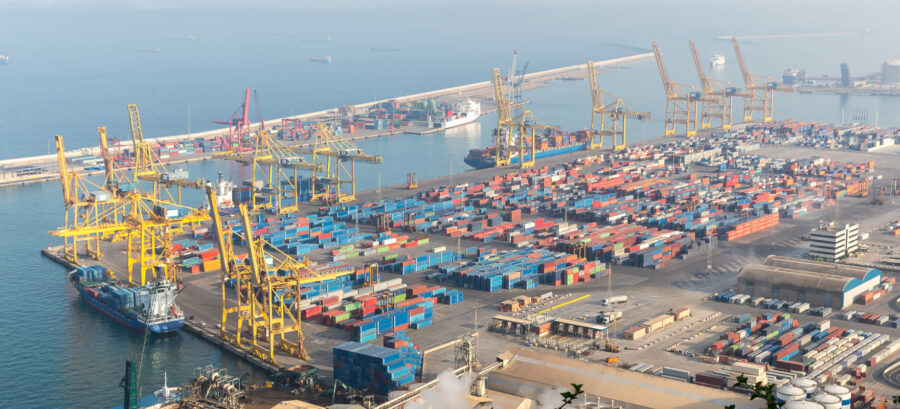
Adding a new cargo type to a terminal can look like a commercial decision. The operator identifies additional demand, expands its service portfolio and begins accepting cargo that previously ...
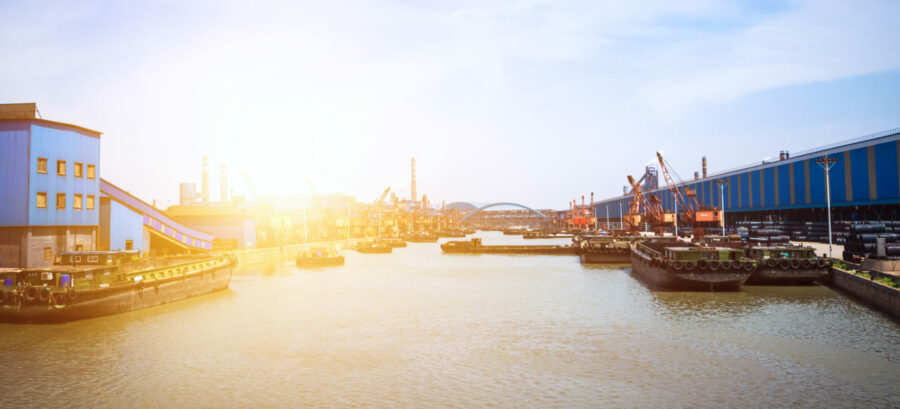
The port’s connectivity grows because of a more significant change than more vessels calling at its berths. The Lobito Corridor provides a good example. Starting at the Port of Lobito on Angola’s ...
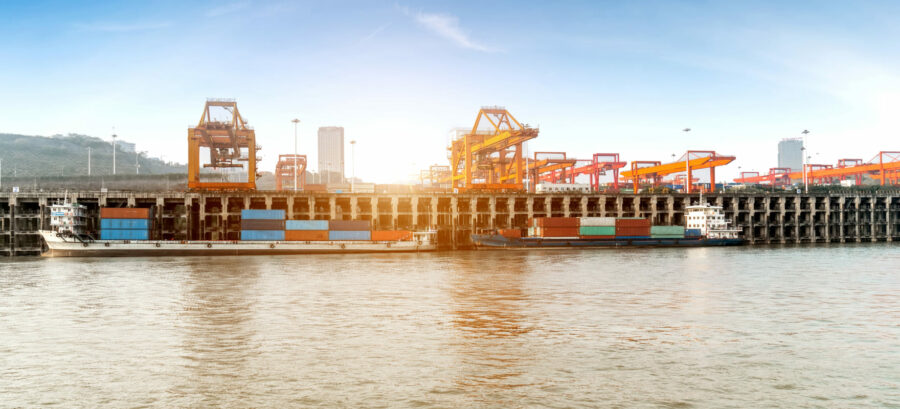
Angola’s port system cannot be understood through container traffic alone. Containers are an important part of the country’s maritime trade, but they coexist with large volumes of liquid and dry ...
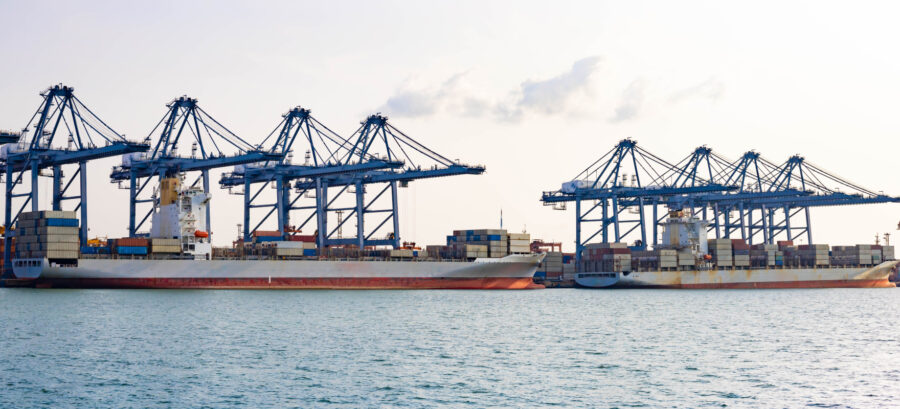
A terminal may face an equally difficult operational problem when several fundamentally different cargo flows have to coexist within the same port environment. That proves that not all port ...
Stay Ahead with SOLVO
Subscribe to our newsletter to receive the latest updates on our products, industry insights, and exclusive offers
Follow our social media channels, where we also share valuable information.

