
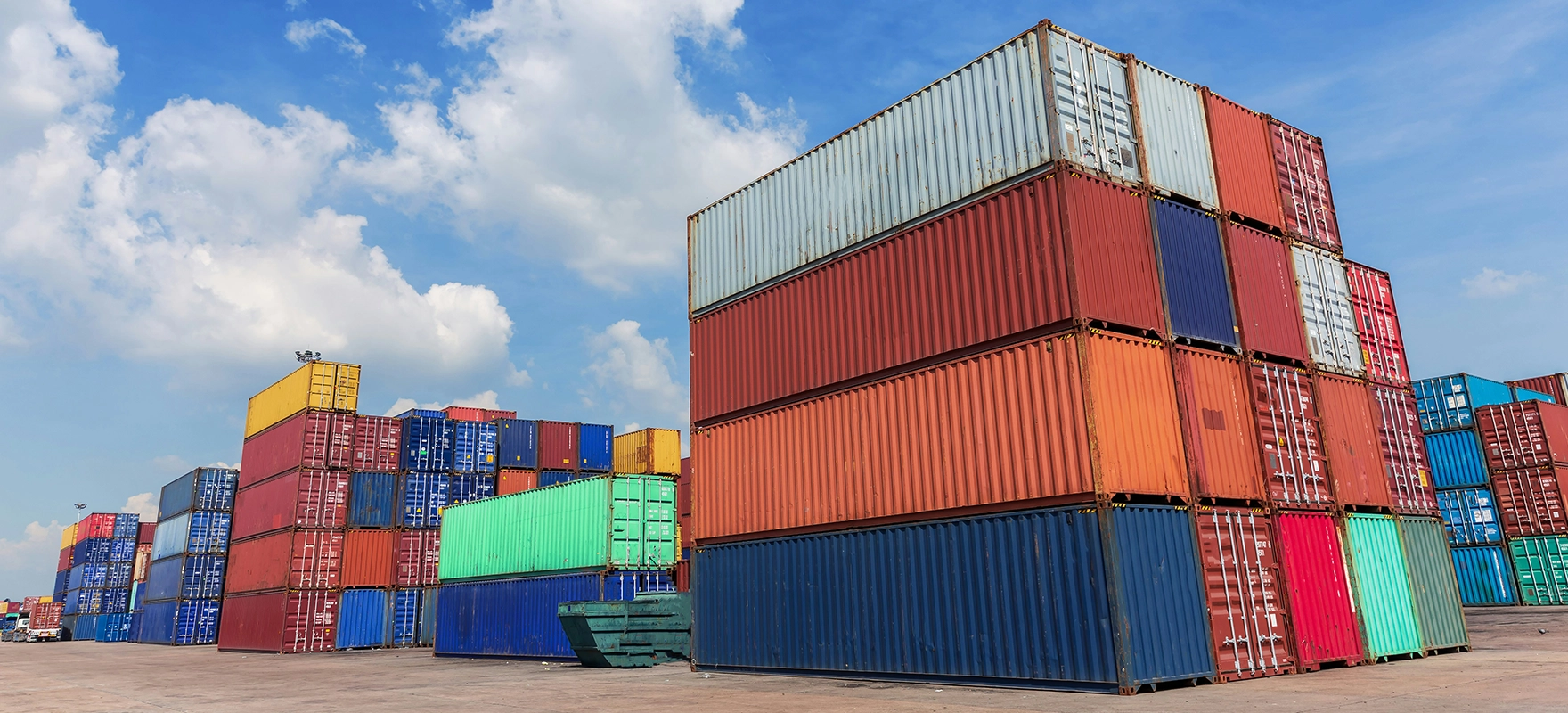
Container Cargo as a Standardized Operational Unit
For terminal operations, a container is a clearly identifiable operational object with its own number, type and size, weight, status, location, cargo information and transport data. These attributes remain connected to the container as it moves between the vessel, yard, rail and truck fronts.
Solvo.TOS maintains this operational record throughout the container lifecycle and connects it with planning and execution processes across the terminal. The system can manage container placement, loading and discharge operations, verified gross mass data, empty-container workflows and other container-specific processes while keeping every movement linked to the same identifiable unit.
What Makes Container Terminal Operations Complex?
- A container may be standardized physically, but its operational requirements are not. Loaded and empty units, reefers, dangerous goods, damaged containers and cargo with different transport statuses may require different storage areas, handling rules and processing priorities.
- Every yard placement decision affects future operations. A container that is technically stored correctly may still create additional rehandling if its position does not match the expected vessel, rail or truck movement, departure sequence or accessibility requirements.
- The same container can move through several tightly connected transport fronts. Vessel schedules, train operations, truck visits and yard moves have to remain synchronized, while changes in one plan can quickly alter which containers need to be available and where.
- Physical container movements must stay aligned with accurate operational data. Container and seal numbers, weight, VGM, location, status and transport documents may arrive from different participants and systems; missing or inconsistent information can delay handling or prevent a planned operation from being completed.
How Solvo.TOS Helps
- Solvo.TOS applies configurable rules and strategies to container placement. The system uses container parameters, yard topology, storage-zone rules and planned operations to select suitable locations and keeps the actual position of each container connected with its operational record.
- Vessel, rail, truck and yard workflows are coordinated around the same container data. Loading and discharge plans, train operations, truck visits and equipment tasks can use current container locations and statuses, helping terminal teams adjust execution when transport plans change.
- Container-specific workflows remain part of the same operating environment. Solvo.TOS supports processes for empty-container depots, damaged containers and repairs, VGM control and cargo placement rules for special handling requirements instead of treating every container move as an identical operation.
- Operational data can be captured and exchanged without repeatedly recreating it by hand. Solvo.TOS integrates with OCR and external information systems, supports electronic exchange with shipping lines and other participants, and allows field personnel to confirm container IDs, seals, locations, operations and damages through mobile workstations.
Container Types Supported by Solvo.TOS
Standard Dry Containers
Standard containerized cargo handled across vessel, rail, truck and yard operations.
Reefer Containers
Temperature-sensitive cargo with support for reefer monitoring and integration with specialized control systems.
Open-Top & Flat-Rack Containers
Containerized workflows for oversized or non-standard cargo that requires special handling.
Tank Containers
Tank-container operations for liquid and gaseous cargo transported in standardized container equipment.
Key Functions
Empty Container Depot Operations
Manage the acceptance, storage, selection and release of empty containers using customer requests, container parameters, storage quotas and operational deadlines.
VGM & Weight Control
Receive or register Verified Gross Mass data, connect weighing results with the container record and prevent containers without the required VGM information from entering the vessel loading plan.
CFS Stuffing & Stripping
Coordinate container stuffing and stripping, including cargo under processing, empty-container selection, seal registration and completion documents within the terminal workflow.
STS Crane Operator Workplace
Provide quay crane operators with loading and discharge tasks linked to the vessel plan, container status and planned handling sequence.
Customer & Shipping Line Data Exchange
Exchange container and operational information with customers, shipping lines and other participants through supported electronic interfaces and formats, keeping external communication connected with terminal execution.
Featured Capability: Remote Crane Control & TOS Integration
Solvo.TOS can be integrated with remotely operated container cranes, connecting operational planning with physical task execution. The system sends handling tasks to the crane workflow, receives execution statuses and keeps container movements synchronized with the terminal plan.
Remote operation allows crane operators to work from a centralized control environment while the TOS maintains the operational context: which container should be moved, from where, to which location and as part of which terminal process.
See How Solvo.TOS Fits Your Container Operations
Tell us how containers move through your vessel, yard, rail and truck workflows. We can show how Solvo.TOS can support your container-specific processes — from planning and placement to specialized handling and data exchange.
FAQ
Can Solvo.TOS manage container operations across vessel, rail, truck and yard workflows?
Yes. Solvo.TOS connects container handling across marine, railway, road and yard operations within one operational environment. The same container record, location and status can be used throughout loading, discharge, storage, rail processing and truck pickup or delivery, helping terminal teams keep different transport fronts synchronized.
Can Solvo.TOS support reefer and other specialized container workflows?
Yes. Solvo.TOS can manage dedicated terminal zones and processing rules for specialized container flows, including refrigerated-container areas, empty-container depots, inspection and repair zones. These workflows remain connected with the container’s operational record and the wider terminal process.
Can container operations be connected directly with terminal equipment?
Yes. Solvo.TOS can exchange operational tasks and statuses with terminal equipment and supports scenarios including remote crane control and dedicated crane-operator workplaces. This allows physical container handling to remain connected with the terminal plan rather than operate as a separate control process.