
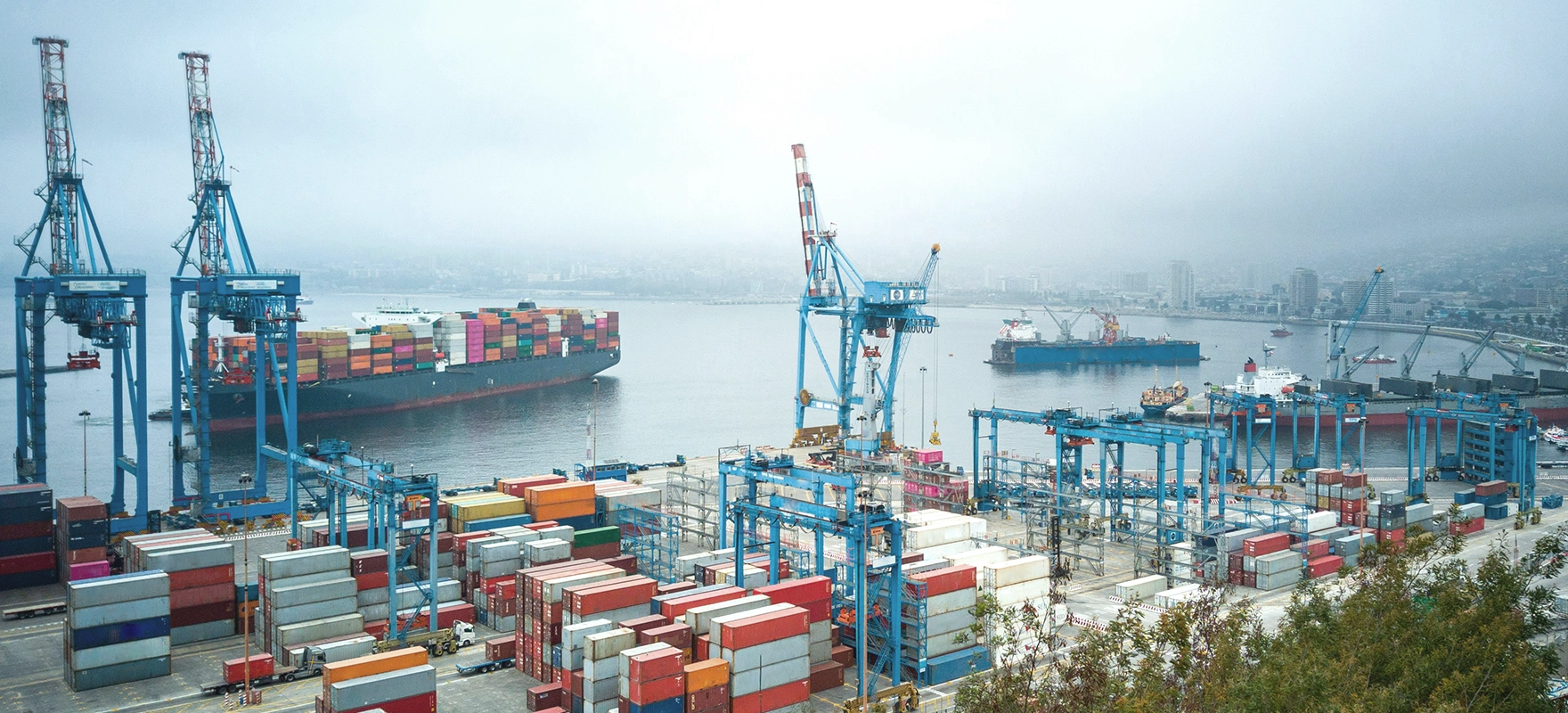
Coordinate Vessel, Yard and Landside Operations in One TOS
Marine terminal operations connect several tightly dependent workflows: vessel calls and berth schedules, cargo handling, yard movements, equipment tasks, and onward transport by rail or truck. A change at one operational front can quickly affect the others, so planning and execution need to rely on the same real-time operational picture.
Solvo.TOS brings these processes into one environment, linking vessel and berth planning with yard operations, cargo movements, equipment control and landside transport. This gives terminal teams a common basis for coordinating resources, responding to changes and keeping containers, bulk, general and Ro-Ro cargo moving between sea and land.
What Makes Marine Terminal Operations Complex?
- Vessel schedules, cargo plans, berth availability and handling resources constantly affect each other. A delay in one vessel call can disrupt berth schedules and subsequent operations, making terminal turnaround increasingly difficult to control.
- Berth capacity has to be matched with vessels that differ in size, draft, cargo and expected handling time. Poor coordination can create scheduling conflicts, idle periods and cascading delays across the vessel queue.
- Cargo moves continuously between vessels, yard areas, rail and trucks. When these operational fronts are planned separately, handovers become slower, cargo may wait between operations and unnecessary rehandling can increase.
- Marine terminals exchange operational data with shipping lines, customs, corporate systems and terminal equipment. Fragmented information flows can lead to duplicate data entry, delayed status updates and slower operational decisions.
How Solvo.TOS Helps
- Solvo.TOS keeps planned and actual vessel calls within the same operational workflow. Terminal teams can track the processing status of each vessel and update plans as actual arrival and handling times change.
- Berth plans are built around real vessel and quay constraints. The system considers vessel length and draft, berth characteristics, availability and existing reservations, and highlights scheduling conflicts before they affect operations.
- Cargo plans are connected with yard inventory and vessel handling sequences. Solvo.TOS can use cargo parameters and current storage locations to prepare loading plans and translate them into coordinated work for yard and quayside operations.
- Operational data can move directly between the terminal and external participants. Solvo.TOS supports data exchange with shipping lines, agents and other systems through EDIFACT, XML, XLS and integration interfaces, reducing repeated manual data entry.
Key Features of Solvo.TOS for Marine Ports & Terminals
Yard & Gate Management
Control cargo placement, storage zones, truck access and internal vehicle flows while keeping yard operations connected with the rest of the terminal.
Rail & Landside Operations
Manage train, wagon and truck processes alongside marine operations, including rail planning, cargo handovers and onward dispatch.
Equipment Task Management
Issue operational tasks directly to handling equipment operators and mobile workstations, track execution and coordinate equipment movements across the terminal.
Resource Planning & KPI Monitoring
Build shift-day plans for personnel and equipment and compare planned workload with actual performance by operation, area or resource.
VGM, Inspection & Special Cargo Workflows
Record verified container weight, support cargo and vehicle inspections, register damages and manage additional processes such as repairs and empty-container operations.
See How Solvo.TOS Fits Your Marine Terminal
Whether you are planning a new terminal, modernizing existing operations or adding new automation technologies, we can help map Solvo.TOS to your vessel, yard, equipment and landside workflows.
FAQ
What does a terminal operating system do for a marine port?
A terminal operating system coordinates the key operational processes of a marine terminal, including vessel and berth operations, cargo handling, yard activities, equipment tasks, rail and truck flows, documentation and performance monitoring. Solvo.TOS connects these processes in one operating environment and provides real-time visibility across terminal operations.
Can Solvo.TOS manage vessel, yard, rail and truck operations in one system?
Yes. Solvo.TOS supports vessel and berth planning, yard and storage operations, railway processes, truck visits and gate operations within a unified digital environment. This helps terminal teams coordinate cargo movements between different operational fronts instead of managing each process separately.
Can Solvo.TOS integrate with port equipment and external IT systems?
Yes. Solvo.TOS can exchange data with external information systems through APIs and standard data formats and can be integrated with cargo handling equipment, OCR solutions, weighing systems and other terminal technologies. This allows the TOS to become part of a wider port automation ecosystem rather than operate as an isolated application.