Why Ports in Southeast Asia Are Under Pressure?
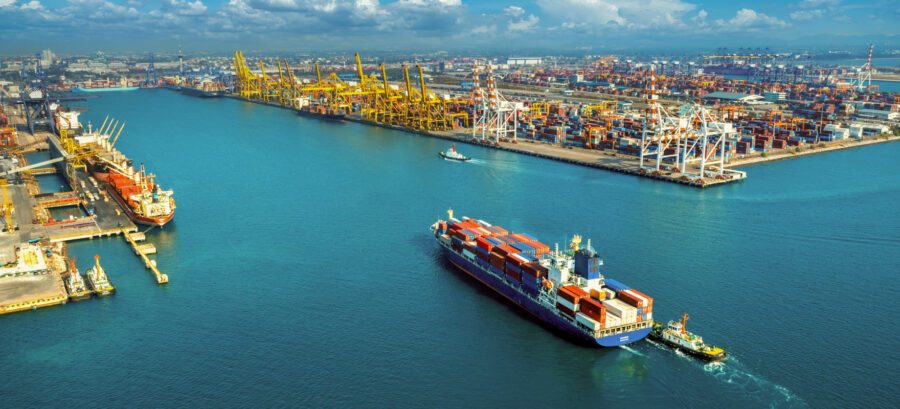
Southeast Asia is experiencing rapid growth in trade, logistics, and infrastructure development. As cargo volumes increase across the ASEAN region, ports are facing mounting operational pressure.
For countries like the Philippines, where logistics systems are heavily port-centric, this pressure is even more pronounced. Terminals must handle higher throughput, coordinate across multiple transport modes, and meet stricter service expectations — often within already complex operating environments.
This raises a critical question: How can ports scale efficiently without losing control over operations?
The Shift from Manual Operations to Digital Control
Traditionally, many port operations relied on manual coordination, fragmented systems, and limited real-time visibility.
However, this approach becomes unsustainable as complexity grows.
Modern terminals require:
- Real-time operational visibility
- Coordinated planning across yard, berth, and gate
- Seamless communication with external stakeholders
- Data-driven decision-making
This is where Terminal Operating Systems (TOS) become essential.
Key Challenges and How TOS Addresses Them
1. Yard Congestion and Inefficient Space Utilisation
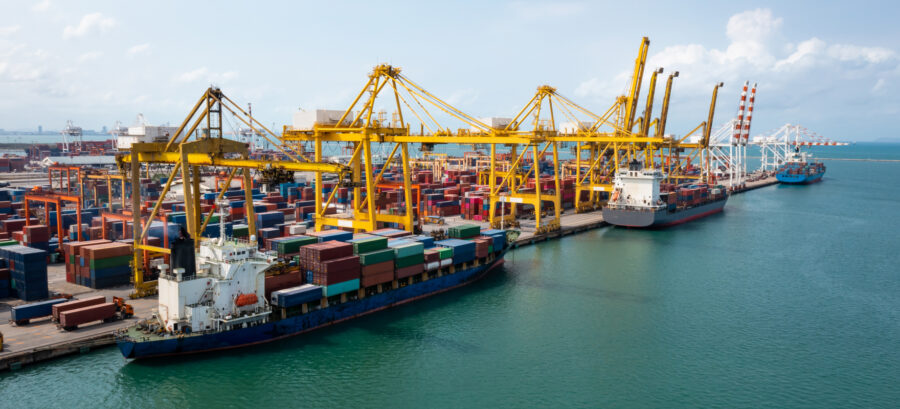
High yard occupancy and unstructured storage logic lead to excessive re-handling and delays.
How TOS helps:
- Real-time yard visibility
- Optimized container placement strategies
- Automated task assignment for equipment
- Reduced unnecessary moves
2. Berth Planning and Vessel Turnaround Delays
Without structured planning, vessel schedules can conflict, leading to inefficiencies and longer turnaround times.
How TOS helps:
- Centralized berth planning tools
- Visualization of vessel schedules
- Conflict detection and resolution
- Optimized cargo handling sequences
3. Lack of Integration Across the Supply Chain
Ports must interact with shipping lines, customs, rail operators, and inland logistics providers. Fragmented systems create delays and errors.
How TOS helps:
- Integration via APIs and EDI (e.g., EDIFACT)
- Automated data exchange
- Reduced manual input and paperwork
- Improved transparency across stakeholders
4. Limited Operational Visibility
Without real-time data, decision-making becomes reactive rather than proactive.
How TOS helps:
- Live operational dashboards
- End-to-end visibility across terminal processes
- Predictive insights for planning and resource allocation
From Operational Tool to Strategic Platform
Today, TOS is becoming a central digital platform that connects all elements of terminal operations and enables:
- Scalable growth
- Standardized processes
- Performance monitoring (KPIs, SLAs)
- Better coordination across the supply chain
For ports in Southeast Asia, this shift is critical to remain competitive in a rapidly evolving logistics landscape.
Building Future-Ready Ports in ASEAN
As ASEAN trade continues to expand, ports must evolve from operational hubs into digitally integrated ecosystems.
Terminal Operating Systems play a crucial role in this transformation by enabling:
- Efficiency at scale
- Interoperability
- Transparency
- Operational resilience
At Solvo, we work with terminals undergoing similar transformations — helping them move from fragmented operations to structured, data-driven environments.