Evolution requires consistency, doesn’t it?
As logistics continues to accelerate, the demand for speed, accuracy, and transparency grows — and ports and terminals are no exception. Global supply chain participants increasingly rely on seamless digital communication. That’s why leading Terminal Operating System (TOS) developers, including Solvo, now focus not only on automating internal operations, but also on creating unified digital ecosystems that connect terminals with customers, partners, and government systems.
Order in Complexity: Automation for All Cargo Types
Implementing a TOS means achieving consistent, reliable control over internal operations. When done properly — with an in-depth understanding of the terminal’s processes — automation can reduce human error by over 90%.
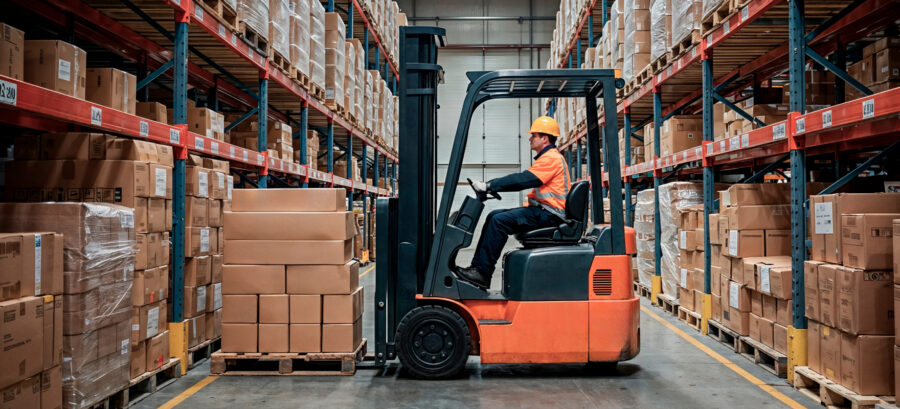
Consider general cargo, one of the most complex categories. Unlike containers or Ro-Ro units with standardized dimensions, general cargo includes everything from factory equipment and paper rolls to barrels, reels, scrap metal, and timber — each with unique handling and storage requirements.
Without automation, storage decisions depend on human judgment, which limits efficiency. Solvo.TOS uses intelligent algorithms to optimize every square meter of storage space, ensuring compatibility, predicting shipment priorities, and managing the movement of equipment and cargo.
Smart Rules for Smarter Operations
Solvo.TOS automatically processes documentation (bills of lading, consignment notes) and applies rules tailored to each cargo type. It generates operational maps to guide the use of handling equipment and workforce.
With these tools, terminals can:
- Allocate space based on cargo compatibility,
- Minimize delays in assigning storage and equipment,
- Ensure accurate tracking and loss prevention.
From general cargo to containers, perishable food, bulk goods, metals, and sawn timber — Solvo.TOS creates logical handling and storage workflows for virtually any type of cargo.
Orchestration Across the Terminal
Solvo.TOS is more than a management tool — it’s the operational brain of the terminal. It synchronizes all core activities, including vessel call planning, shunting operations, rail/road coordination, and resource management.
The system considers everything from terminal layout and equipment limitations to seasonal factors. For instance, a reachstacker may lift from the second row in summer but not in icy winter conditions — Solvo.TOS factors that in. It also monitors task duration and dynamically reallocates resources to avoid downtime and minimize costs.
All actions are logged and made available to authorized users — including clients — through a web portal.
Integrated by Design: One System, Many Connections
Solvo.TOS integrates seamlessly with third-party systems and equipment: ERP, EDI, OCR, security platforms, RFID, and more. It collects data from each component, enabling data-driven decision-making and complete operational transparency.
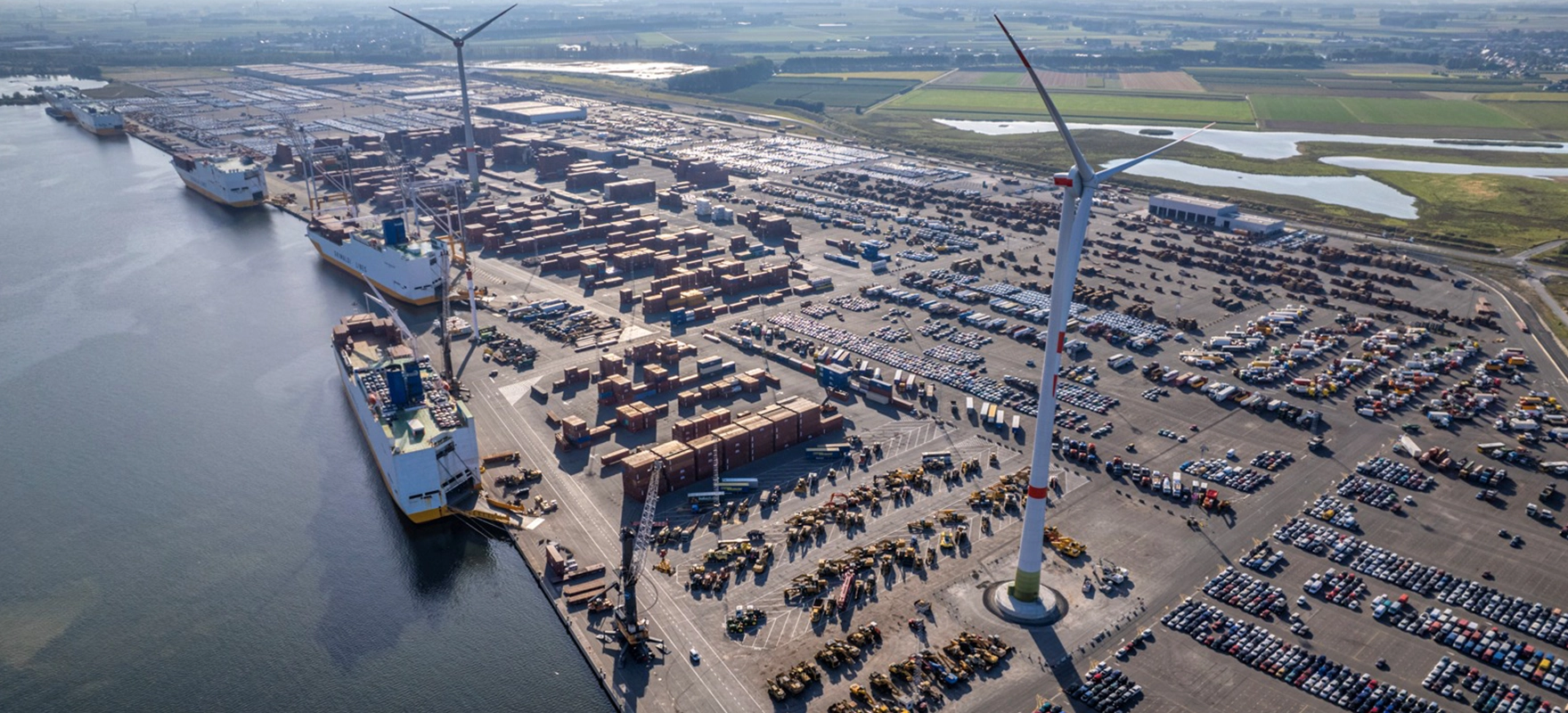
Even geographically dispersed sites — ports, warehouses, and logistics facilities — can be united into one digital space, sharing real-time data and working in sync.
Case Study: Cross-Port Communication
Solvo’s flexibility enables cross-platform integration, even with third-party TOS systems. A vivid example: the ports of Aktau and Baku required a shared digital space to coordinate passenger and cargo data. Though each used different TOS vendors, Solvo’s team created a communication bridge between them.
The result? Real-time data exchange, seamless collaboration — and a scalable model for future inter-terminal integration.
Built on Experience, Powered by Flexibility
Modern IT solutions can solve even the most unique challenges — when backed by the right platform and the right team. Solvo.TOS stands out for its modular architecture, seamless integration capabilities, and powerful automation features. Behind it is Solvo’s years of experience in building tailored IT ecosystems for ports, rail, and freight terminals worldwide.