Not all TOS are created equal —
There’s no universal classification for Terminal Operating Systems (TOS), but the difference between a basic and an advanced system is more than technical — it’s operational. A basic TOS may offer digital recordkeeping and transport tracking. An advanced TOS becomes the nerve center of the terminal.
Understanding this distinction is essential for any terminal preparing to scale, digitize, or optimize its performance.
What defines a basic TOS?
Basic TOS platforms are often designed for limited scope and functionality. They typically:
- Record cargo movements and transport data
- Maintain customer and shipment records
- Generate standard reports
While these systems can serve small or low-volume terminals, they do not manage the operations themselves. Berth planning, equipment dispatch, and document workflows remain manual or disconnected. Often, critical documents are still handled outside the system, leading to data silos and higher risk of error.
What makes a TOS “advanced”?
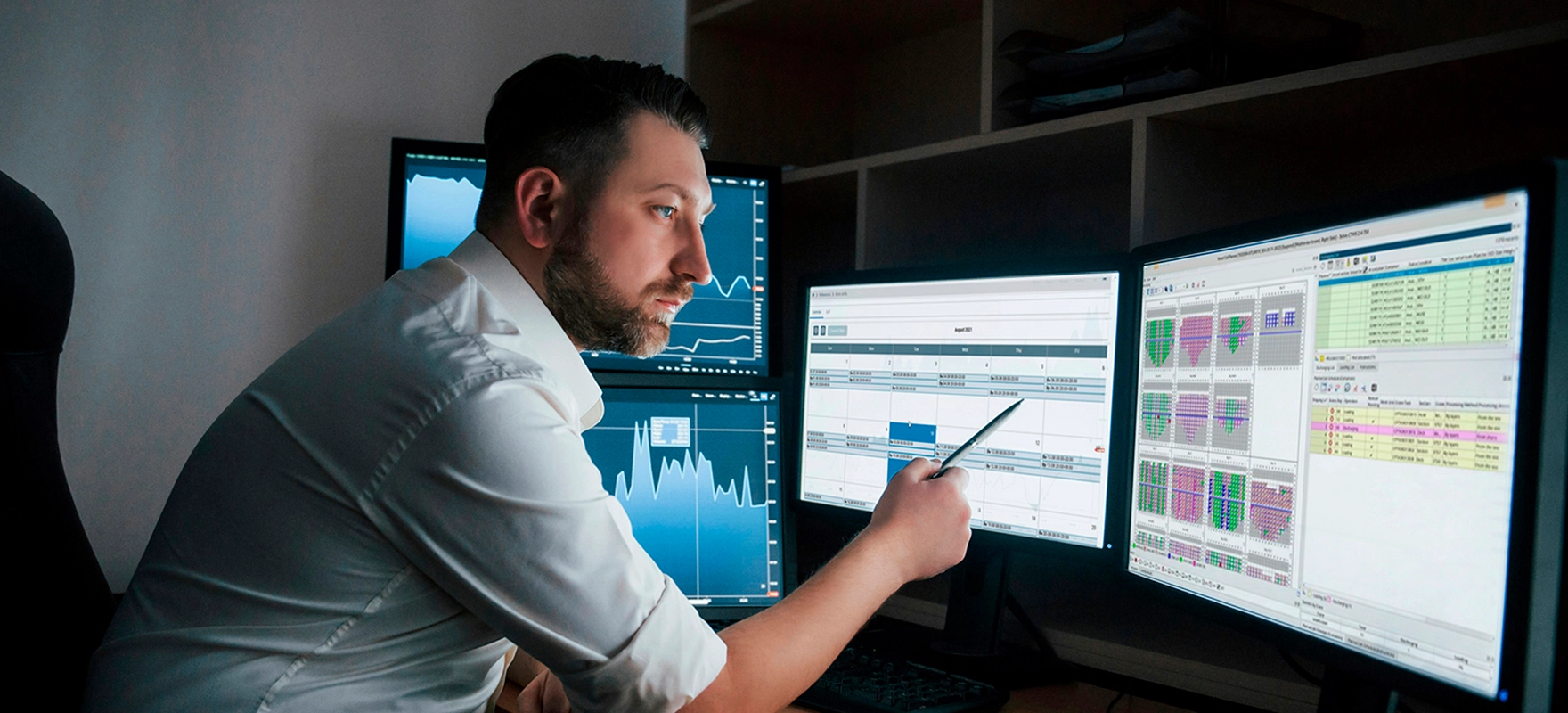
An advanced TOS goes far beyond storage and tracking. It serves as a real-time, integrated control layer for all terminal activities — from vessel calls to yard management.
Key features of an advanced TOS:
- Real-time operational control across berth, yard, gate, rail, and road
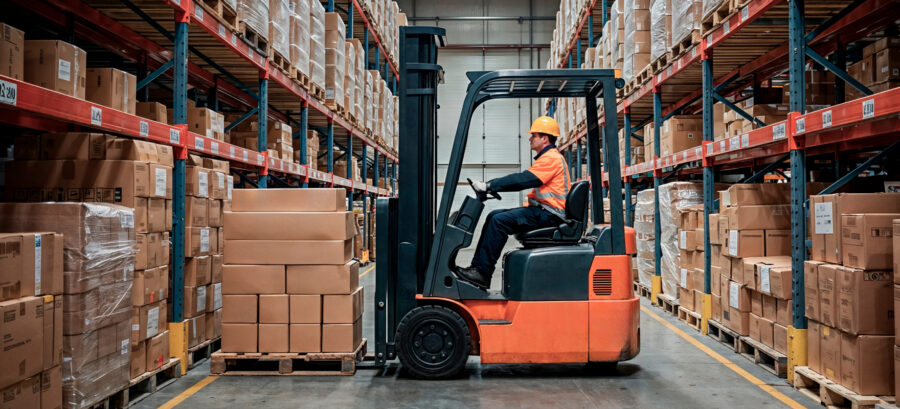
- Automated task assignment for cranes, trucks, forklifts, and CHE
- Optimized planning for berth schedules, yard stacking, and cargo routing
- Legal-grade electronic documentation using standardized international formats
- Full integration with customs, shipping lines, and port authorities
- Built-in reporting and audit tools for internal control and external compliance
In short, an advanced TOS doesn’t just track — it orchestrates.
Three functional layers of a modern TOS
A truly capable TOS should support these three interdependent functions:
- Operations. Manages cargo and transport flows in real time — including berth planning, equipment scheduling, and coordination between vessels, trucks, and trains. Solvo.TOS handles every operational zone, down to assigning tasks to specific machines and operators.
- Documentation. Supports electronic data exchange with external parties — shipping lines, customs, port authorities — in standardized formats (EDIFACT, XML, etc.). Automates paperwork and ensures regulatory compliance.
- Recordkeeping. Maintains detailed logs of all cargo and transport movements, customer data, and transaction history. Offers customizable reporting for internal stakeholders and external partners.
Basic TOS platforms typically focus only on the third layer.
Solvo.TOS covers all three — combining operational intelligence, documentation control, and data integrity in one system.
Why it matters: control, efficiency, compliance
In today’s high-load terminal environments, managing operations without a fully capable TOS is like flying blind. Delays, miscommunications, and missed KPIs are often the result of insufficient system coverage — not operator error.
By moving from a basic to an advanced TOS like Solvo.TOS, terminals gain:
- Higher throughput with fewer manual interventions
- Improved traceability and data consistency
- Faster integration with external systems
- Stronger foundations for automation and future growth
Ready to go beyond basic?
Whether you’re scaling capacity, introducing new cargo types, or digitizing manual processes, choosing the right TOS is critical. Solvo.TOS brings advanced functionality, real-time control, and proven scalability to terminals across the globe.
Let’s talk about how we can support your operations — and move your terminal from tracking to orchestration.