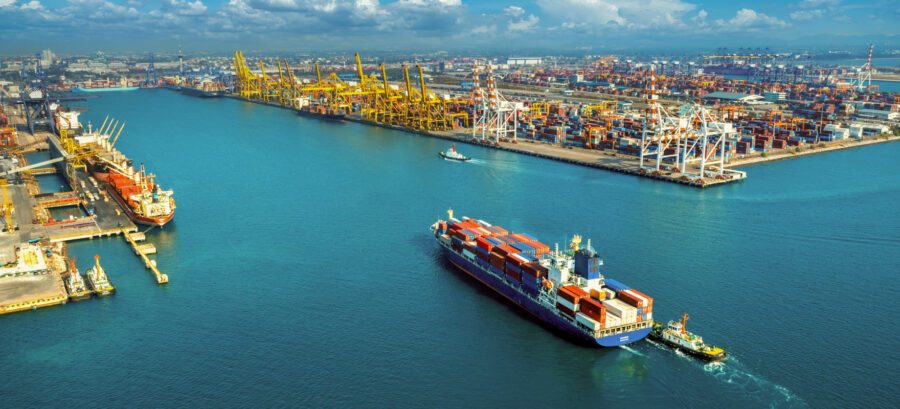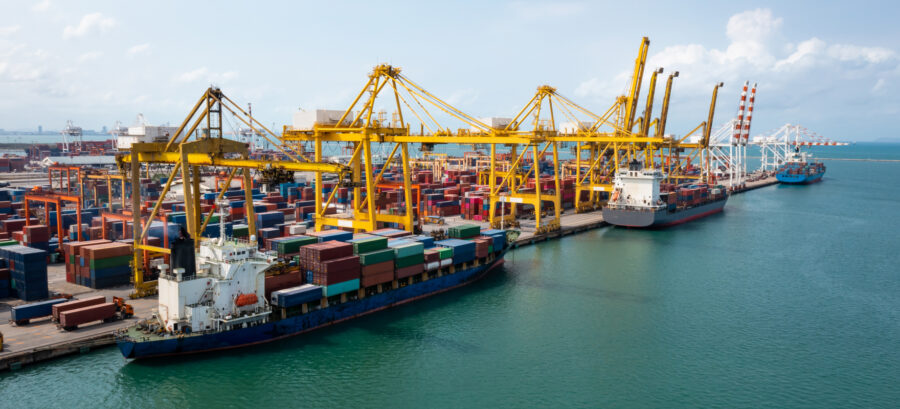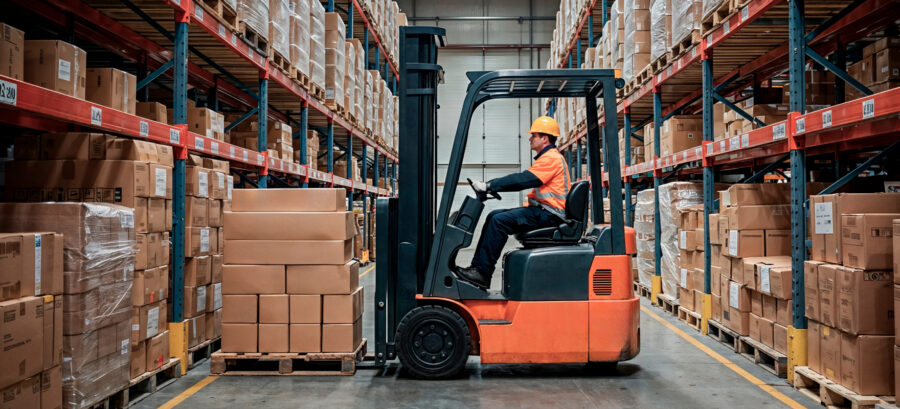
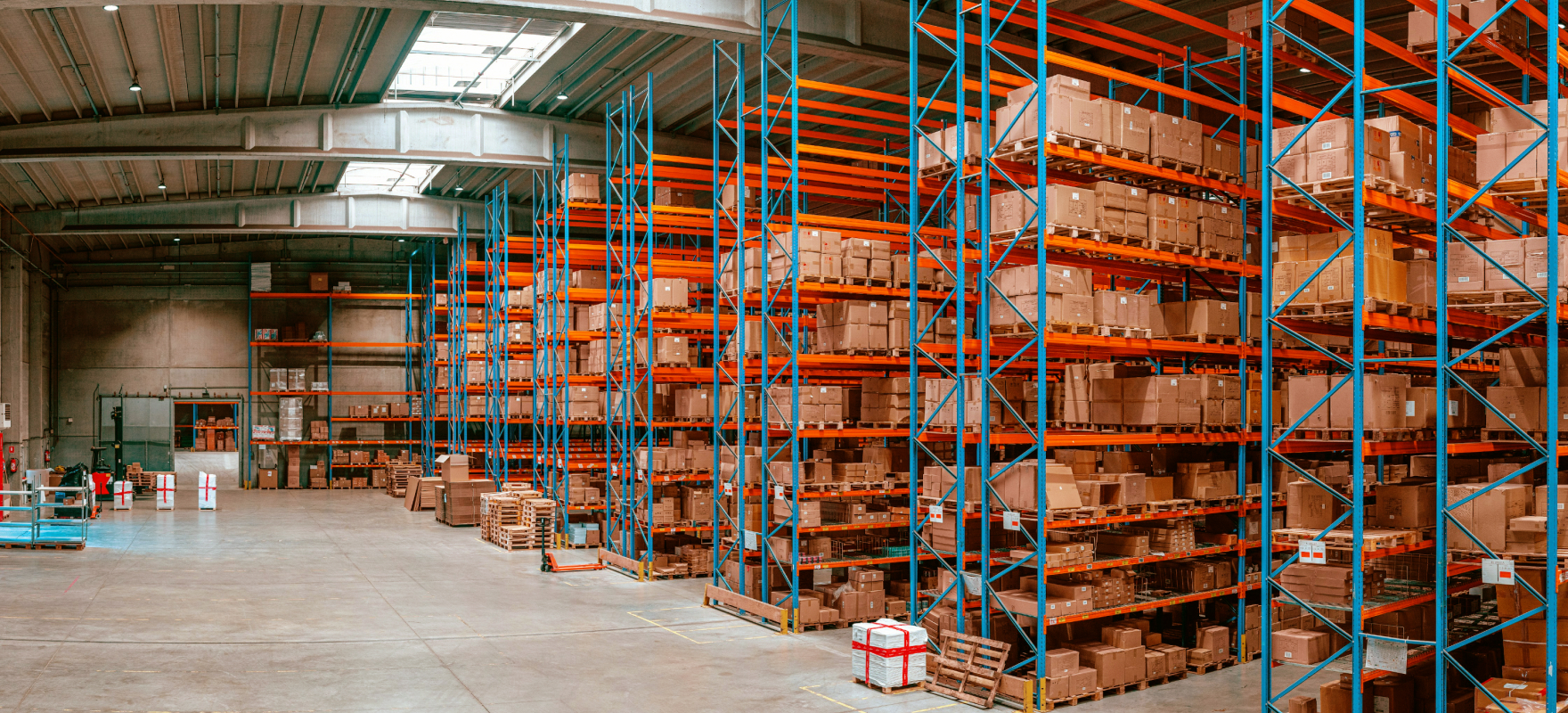
A Container Freight Station is the point where container logistics becomes cargo logistics.
As long as a container remains sealed, the terminal manages a single transport unit: its location, status, movement and destination. Once the container is stripped, the operational picture changes completely. One container may turn into dozens or hundreds of pallets, cartons or individual cargo units belonging to different owners, covered by different Bills of Lading, subject to different customs requirements and waiting for different consignees.
At this point, container-level visibility is no longer enough. The terminal must know where each cargo unit is located, who owns it, whether it can be released, which services have been performed, which documents are required and what should happen to it next.
This is what makes CFS operations fundamentally different from both a container yard and a traditional distribution center.
What Makes a CFS Warehouse Different?
A CFS operates at the intersection of several logistics processes.
Depending on the facility, the same warehouse may handle:
- import and export cargo;
- LCL consolidation and deconsolidation;
- container stripping and stuffing;
- temporary and address-based storage;
- customs and documentation controls;
- regulated or temperature-sensitive cargo;
- labeling, weighing, inspection, repacking and palletization;
- cargo preparation and release to consignees;
- truck visits and pick-up requests.
Therefore, the main challenge lies not in simply storing cargo but in maintaining its identity, location, status and accountability through every handover.
For example, an import container may arrive at the terminal as one unit but leave the CFS as dozens of separate shipments. Each shipment must remain connected to the correct owner, transport document, customs status and release request.
Export operations create the opposite challenge. Cargo from different suppliers or bookings may arrive separately and must later be consolidated into the correct container according to loading requirements and documentation.
A CFS therefore requires both warehouse-level control and close integration with the wider terminal environment.
Where TOS Control Ends and Cargo-Level Control Begins
A Terminal Operating System can provide detailed control over containers, vessel operations, yard positions, truck visits and terminal moves. But after a container is stripped, the object of control changes.
The system is no longer dealing only with container IDs and yard locations. Warehouse operations must manage:
- individual pallets, cartons and other handling units;
- cargo owners and consignees;
- Bills of Lading and bookings;
- warehouse locations;
- customs and handling statuses;
- storage rules;
- picking and staging tasks;
- release events;
- additional services performed on the cargo.
This creates a specific operational layer between traditional terminal management and conventional warehouse management.
For many terminal warehouses, TOS-only control does not provide enough cargo-level detail. At the same time, a full-scale WMS designed for a high-volume retail or e-commerce distribution center may introduce functionality and complexity that the operation does not need.
A CFS-focused WMS is intended to bridge this gap.
5 Signs Your CFS Is Losing Operational Control
CFS problems rarely appear as one dramatic failure. More often, they emerge as a collection of small inefficiencies that gradually become part of everyday operations.
1. The Container Is Visible, but the Cargo Is Not
The terminal knows exactly where the container was discharged and where it was placed.
After stripping, however, warehouse employees may still need to search manually for a particular pallet or carton.
If cargo-level locations are not registered systematically, the operational blind spot has simply moved from the yard into the warehouse.
Address-based storage, cargo-unit registration and labeling make each handling unit visible throughout its warehouse journey.
2. Cargo Release Depends on Manual Coordination
A consignee requests cargo. Someone checks the customs status. Another employee confirms the warehouse location. The dispatch team calls the warehouse. A truck arrives — and only then does the facility discover that the cargo has not yet been staged.
Phone calls, spreadsheets, paper documents and disconnected messages can work at low volumes, but every additional shipment increases the amount of coordination required.
A controlled release process should connect cargo status, warehouse preparation, pick-up requests and truck visits before the vehicle reaches the loading area.
3. Additional Services Are Performed but Not Fully Recorded
CFS operators frequently provide services beyond basic handling and storage.
Cargo may be:
- weighed;
- labeled;
- repacked;
- inspected;
- photographed;
- palletized;
- temporarily stored;
- prepared according to customer requirements.
If these activities are not consistently registered in the operational system, the terminal can lose more than visibility. Along with it, the evidence that a service was performed and the information required to invoice the customer for it may be lost as well.
4. Warehouse Space Is Used Reactively
When cargo is placed wherever free space happens to be available, every new shipment creates another future search problem.
Efficient storage allocation can take into account factors such as:
- cargo owner;
- Bill of Lading;
- cargo type;
- required storage conditions;
- expected storage duration;
- planned release date;
- dispatch priority;
- warehouse topology.
This makes storage part of the operational plan rather than a sequence of local decisions made by individual employees.
5. Trucks and Consignees Wait While the Warehouse Reconstructs the Situation
Truck waiting time often begins long before the truck arrives.
It starts when the cargo is received without a clear location, when pick-up requests are disconnected from warehouse tasks, or when dispatch teams do not know which shipments should be prepared next.
The result is familiar: the truck is ready, the consignee is waiting and warehouse employees are still looking for cargo or checking whether it can be released.
The larger the operation becomes, the more expensive this coordination gap can become.
When Does a CFS Need a WMS?
Not every terminal warehouse requires a full industrial WMS.
The need for warehouse-level automation is usually determined less by the physical size of the facility than by the number of cargo-level decisions that employees must make every day.
A CFS-focused WMS becomes particularly relevant when:
- Containers Are Regularly Stripped or Stuffed. Once cargo moves between containers and warehouse locations, the facility must manage both container-level and cargo-level processes.
- The Facility Handles LCL Cargo. Consolidation and deconsolidation involve multiple cargo owners, consignees, documents and release events within the same operational space.
- Individual Cargo Units Must Be Tracked. Pallets, cartons and other handling units may require their own identifiers, locations, statuses, ownership data and movement history.
- Cargo Is Subject to Release Restrictions. Customs, documentation, quality or certification requirements may need to be fulfilled before the system allows dispatch.
- The Terminal Provides Value-Added Services. As the number of chargeable warehouse operations grows, systematic recording becomes essential for both operational control and billing.
- Truck Pick-Up Must Be Coordinated with Warehouse Preparation. Delivery requests, time slots, staging and dispatch preparation need to become part of one planned workflow.
- The Operator Wants to Expand Its Logistics Services. A terminal warehouse may gradually evolve from basic cargo handling into bonded storage, 2PL or 3PL services, distribution activities and other value-added logistics operations.
At this point, simply adding more personnel or more spreadsheets does not solve the underlying problem. The operation needs repeatable digital rules.
Which Facilities Can Benefit?
This model is particularly relevant for several types of operations.
- Terminal-attached warehouses with CFS operations need cargo-level control after containers are stripped and before shipments are released.
- Marine terminals, inland terminals and dry ports may need warehouse execution closely integrated with container and transport processes.
- LCL-focused facilities must manage multiple owners, consignees and shipment statuses within a common warehouse environment.
- Bonded and customs warehouses require additional control over documentation, customs status and release permissions.
- Terminal operators developing value-added or 3PL services need to turn warehouse activities into traceable and chargeable business processes.
And some facilities simply fall into a middle category: they have already outgrown TOS-only control but do not need the full complexity of a conventional distribution-center WMS.
How Solvo.WMS Supports CFS and Terminal Warehouses
Solvo.WMS for CFS and terminal warehouses is designed to manage the cargo-level processes that take place between container handling and final cargo release.
The system supports both directions of the CFS workflow:
- container to cargo: stripping, receiving, registration, storage, handling and release;
- cargo to container: receiving export cargo, consolidation, preparation and stuffing.
Within these processes, Solvo.WMS can provide:
- cargo-unit identification and address-based storage;
- system-guided warehouse tasks;
- rule-based put-away and picking;
- mobile workflows for warehouse employees and forklift drivers;
- customs and documentation status control;
- dispatch blocking where required checks are incomplete;
- delivery requests, staging and release planning;
- support for value-added service operations;
- integration with TOS, ERP and other external systems;
- operational history and traceability.
The purpose is not to turn every CFS into a complex distribution center, but to provide exactly the level of warehouse control required once container visibility alone is no longer enough.
From Container Visibility to Cargo Visibility
The dividing line is simple: a container terminal needs to know where the container is, meanwhile CFS must also know what happened to the cargo after the doors were opened.
As throughput, customer requirements and service portfolios grow, this cargo-level visibility becomes increasingly important. The warehouse must be able to identify each cargo unit, direct its movement, control its status and connect physical handling with documents, release requests and commercial operations.
That is when CFS automation becomes the digital link between terminal operations and the cargo journey that continues beyond the container.