The great contribution to industry dialogue in Abu Dhabi —
Transport Middle East 2026 brought together port authorities, terminal operators, logistics providers, and technology companies to discuss the future of transport and maritime infrastructure in the Middle East and beyond. The event focused on how digital technologies, automation, and data-driven decision-making are reshaping port operations and strengthening global supply chains.
Solvo was pleased to take part in the exhibition and conference, engaging in discussions on smart port initiatives, operational efficiency, sustainability, and the growing role of interoperable digital platforms in modern terminals.
Industry Dialogue and Key Conference Topics
The conference programme featured expert-led sessions dedicated to the most pressing challenges facing ports and logistics today. Key topics included the digital transformation of port operations, integration of advanced port technologies, automation readiness, and the importance of scalable IT architectures that can adapt to evolving regulatory and operational requirements.
Throughout the event, participants shared practical insights into how ports can improve transparency, resilience, and performance by leveraging modern terminal operating systems and data exchange solutions.
Solvo Presentation: Technology as a Catalyst for Operational Excellence
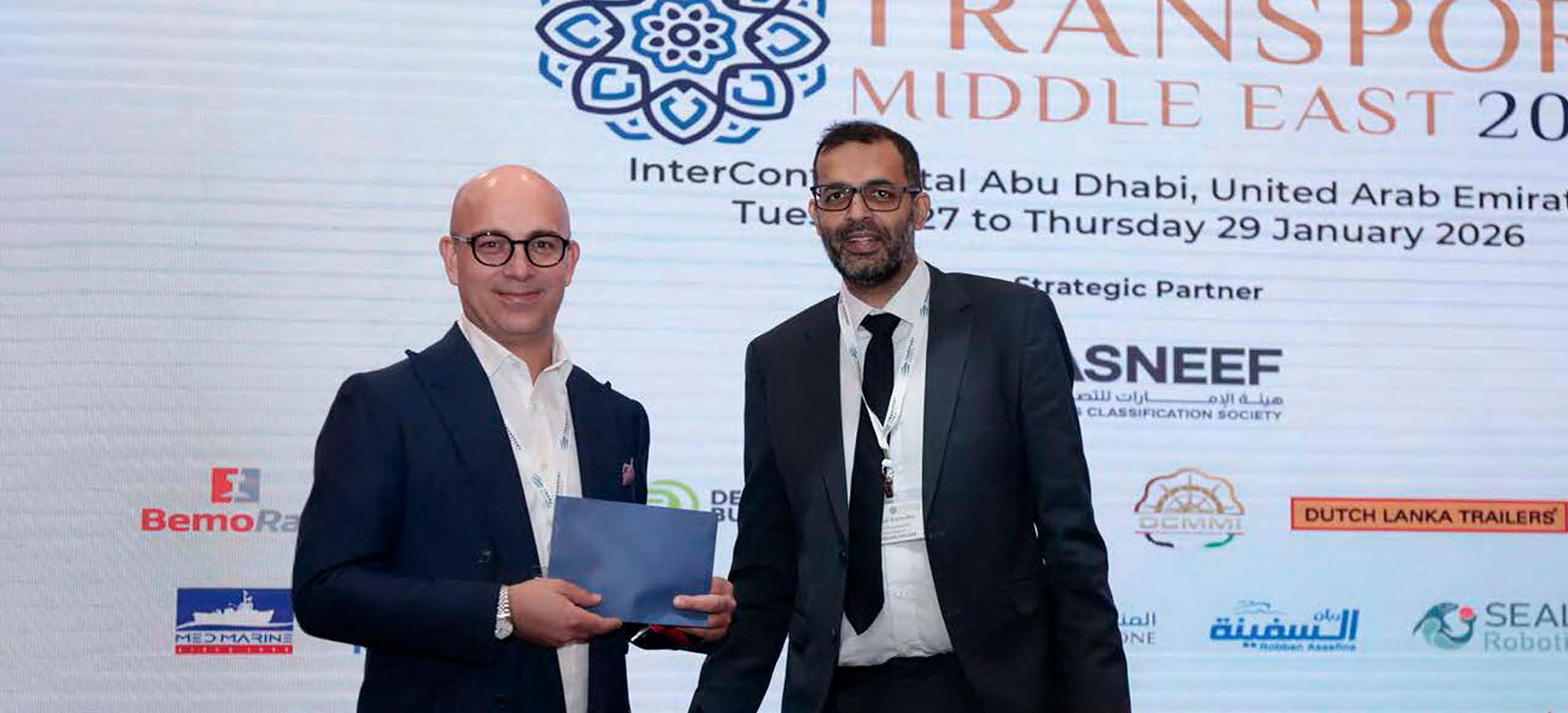
As part of the conference agenda, Giovanni Migliaccio, Senior Vice President Sales & Marketing at Solvo Europe B.V., delivered a presentation titled “Supercharging Port’s Operations Through Latest Port Technology and Effective Technology Plug and Play.”
During the session, Giovanni highlighted how flexible, integration-ready port technologies enable terminals to accelerate digital transformation while reducing implementation risks. The presentation focused on the importance of plug-and-play architectures, interoperability with external systems, and the role of Terminal Operating Systems in building future-ready, automation-enabled ports.
Looking Ahead
We would like to thank the organisers of Transport Middle East 2026 for a well-curated programme and a productive professional environment, as well as all participants who visited the Solvo stand and joined the discussions.