Vietnam is becoming one of the most important logistics markets in Southeast Asia
Its ports are growing. Its export economy is expanding. Industrial zones are developing. Warehouses, transport companies, terminals and international supply chain partners are becoming more connected. For the logistics industry, this creates both a major opportunity and a major operational challenge.
When a market grows quickly, logistics companies need more than additional infrastructure. They need processes that can scale, accurate data, clear workflows, real-time visibility and better coordination between all operational layers of the supply chain.
Vietnam is becoming a global logistics node
Vietnam’s role in global logistics is growing together with its export-oriented economy. In 2024, the country reached a new export record, while total import-export turnover also hit a historic high. This growth reflects Vietnam’s position as a manufacturing and trade hub connected with Asia, Europe, North America and other global markets.
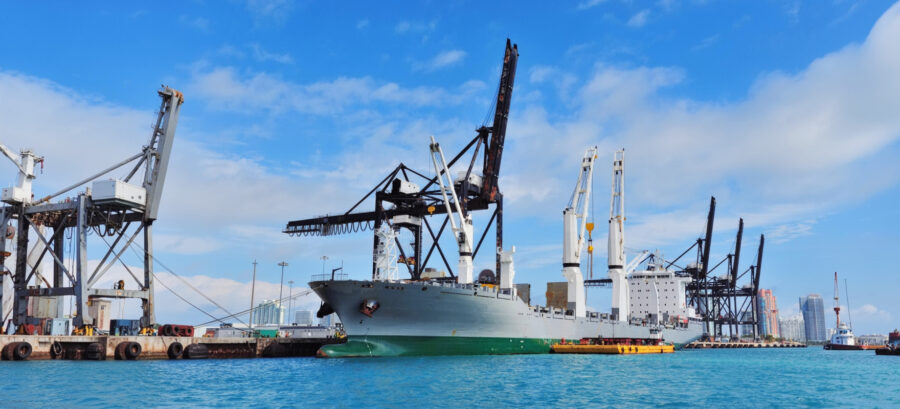
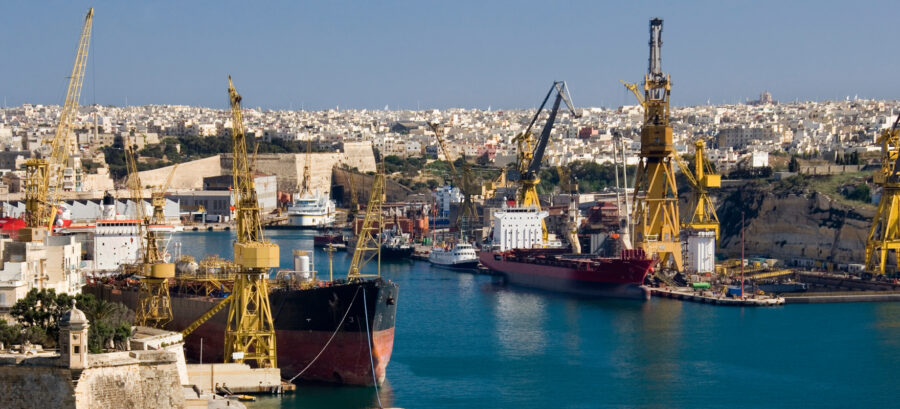
The country’s seaport system plays a key role in this development.
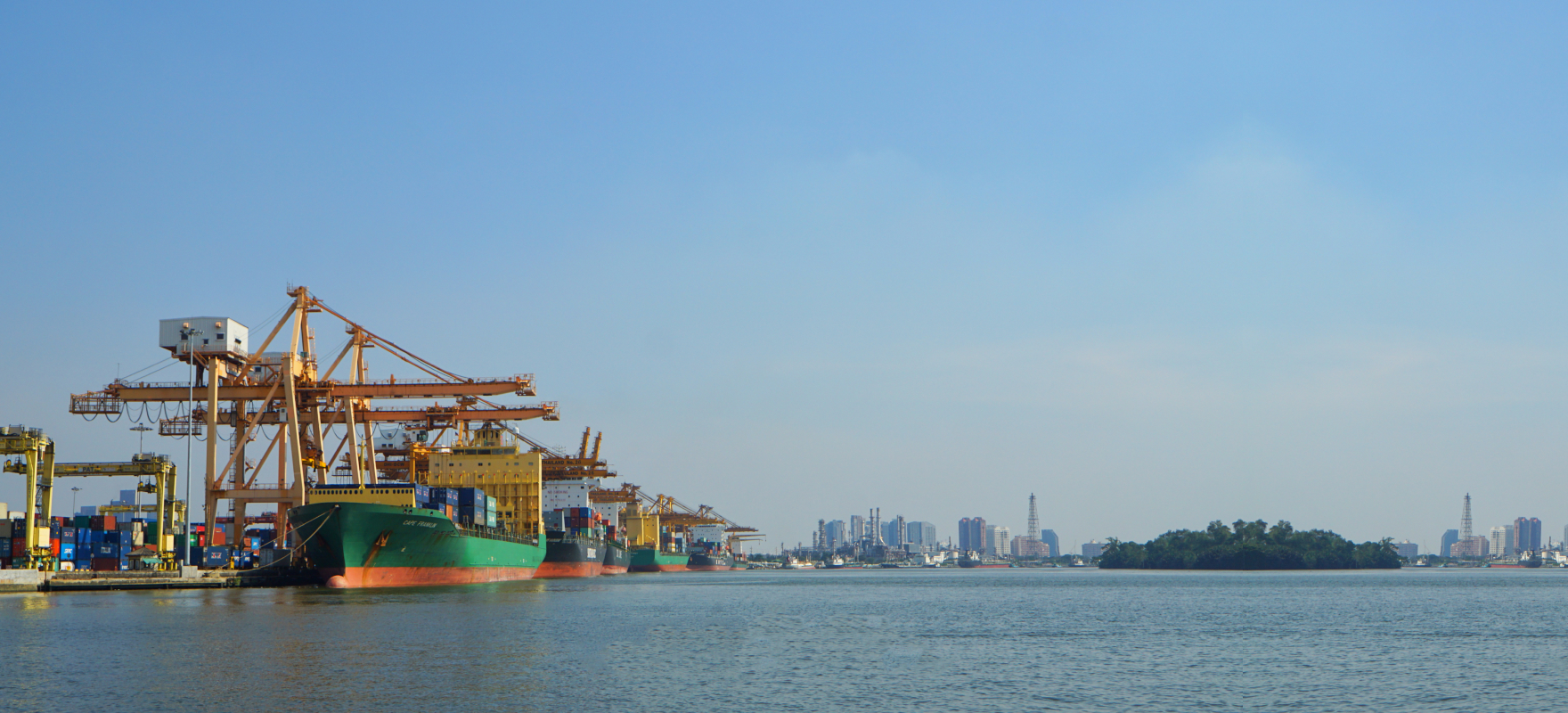
Vietnam now has dozens of port zones and hundreds of terminals. Deep-water ports such as Cai Mep – Thi Vai and Lach Huyen are able to handle large container vessels and connect the country with trans-Pacific and European routes.
This makes Vietnam not only a national logistics market, but also an increasingly important operational node in global supply chains.
For logistics companies, this means that every part of the supply chain becomes more sensitive to operational performance:
- A delay at the terminal may affect a carrier.
- A delay at the gate may affect inland transport.
- A delay at the warehouse may affect export schedules.
- A lack of visibility may affect shippers, forwarders, industrial zones and end customers.
As supply chains become more connected, local operational issues can quickly become network-level problems.
Export manufacturing needs reliable logistics
Vietnam’s export structure is highly diverse. Electronics, computers and components, phones and components, machinery, textiles, footwear, wood products, seafood, agricultural goods and other cargo flows all depend on reliable logistics operations. Each of these industries creates its own requirements.
- High-tech and electronics supply chains need predictability, accurate documentation and reliable container flows.
- Textile and footwear exports depend on delivery schedules, consolidation, warehouse coordination and transport planning.
- Agricultural products, seafood and food-related cargo may require additional control over storage conditions, handling time and logistics visibility.
- Wood products, machinery and industrial goods may involve different cargo dimensions, service requirements and documentation scenarios.
For logistics operators, this means all-round growth, including higher cargo volumes, greater variation, more cargo types, more partners and service requirements, more documents and data exchange, and more links between factories, warehouses, ports, terminals, transport providers and customers.
This is where operational complexity starts to grow faster than cargo volume itself.
Ports, warehouses and yards cannot work separately anymore
In fast-growing logistics markets, ports are often the most visible part of the system, while port operations do not exist in isolation.
Before cargo reaches the port, it may move through factories, industrial zones, inland transport routes, warehouses, consolidation points and yards. After arrival, it may continue through terminals, distribution centers, customs processes, carriers and final delivery networks.
This means that logistics scalability depends on how well these operational layers work together.
- A port may process vessels efficiently, but still face pressure if trucks arrive unpredictably.
- A warehouse may prepare cargo on time, but still create delays if yard and dock operations are not coordinated.
- A transport company may schedule vehicles correctly, but still lose time if gate processes rely on manual communication.
- A terminal may have enough infrastructure, but still struggle if cargo status, documents, equipment tasks and partner data are fragmented across disconnected systems.
This is why connected logistics execution becomes so important. When port, warehouse, yard and transport operations are managed as separate processes, growth often creates bottlenecks between them. When they are connected through digital workflows, companies can build a more scalable operating model.
From digital systems to supply chain execution
The real value of digital logistics appears when operational systems work together.
- A Terminal Operating System helps ports and terminals manage vessel calls, berth operations, yard allocation, gate processes, rail and truck workflows, cargo handling, documentation, billing and performance data.
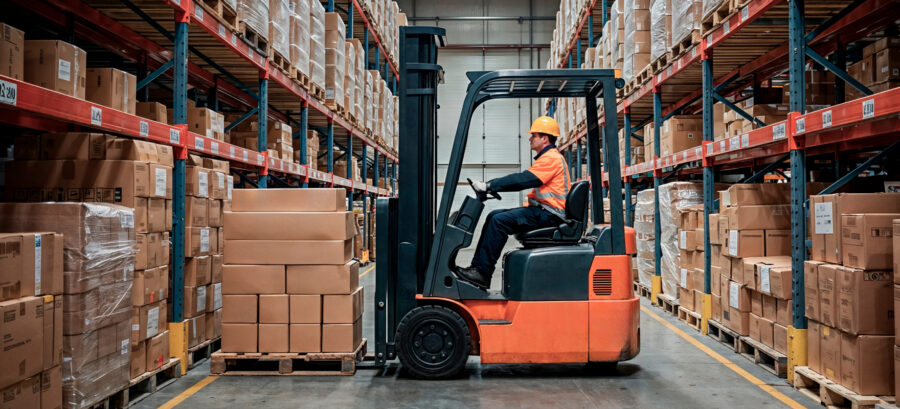
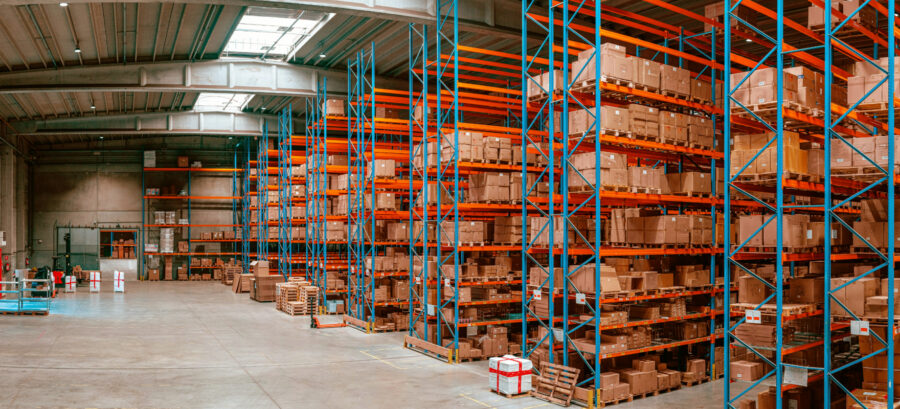
- A Warehouse Management System helps warehouses and distribution centers control receiving, storage, replenishment, picking, packing, shipping, inventory, equipment tasks and workforce operations.
- A Yard Management System helps logistics facilities manage vehicle visits, gate processes, dock scheduling, yard movements, waiting areas and communication between transport and warehouse teams.
Together, these systems create the foundation for supply chain execution. They help companies move from fragmented operational control to a connected digital environment where cargo, transport, equipment, documents and events can be managed across different stages of the logistics process.
For a growing logistics market, this is a strategic shift that allows companies to see not only what is happening inside one facility, but also how different operational areas affect each other.
Let’s discuss logistics scalability at VILOG 2026
Vietnam is an important market to watch because its logistics growth reflects the future of many fast-developing supply chain ecosystems.
The question is no longer only how to increase capacity.
The question is how to keep logistics operations transparent, connected and scalable as the market grows.
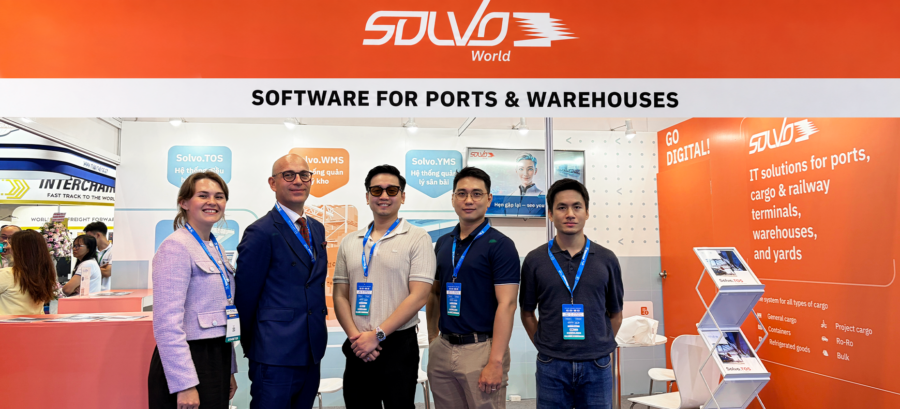
At VILOG 2026 in Ho Chi Minh City, Solvo will be glad to discuss digital solutions for terminal operations, warehouse management, yard management, supply chain execution, operational visibility and integration between logistics systems, equipment and external partners.
Visit Solvo at booth B130 to discuss how digital operations can support scalable logistics growth.
Event: VILOG 2026
Date: 30 July – 1 August 2026
Venue: SECC, Ho Chi Minh City
Booth: B130