
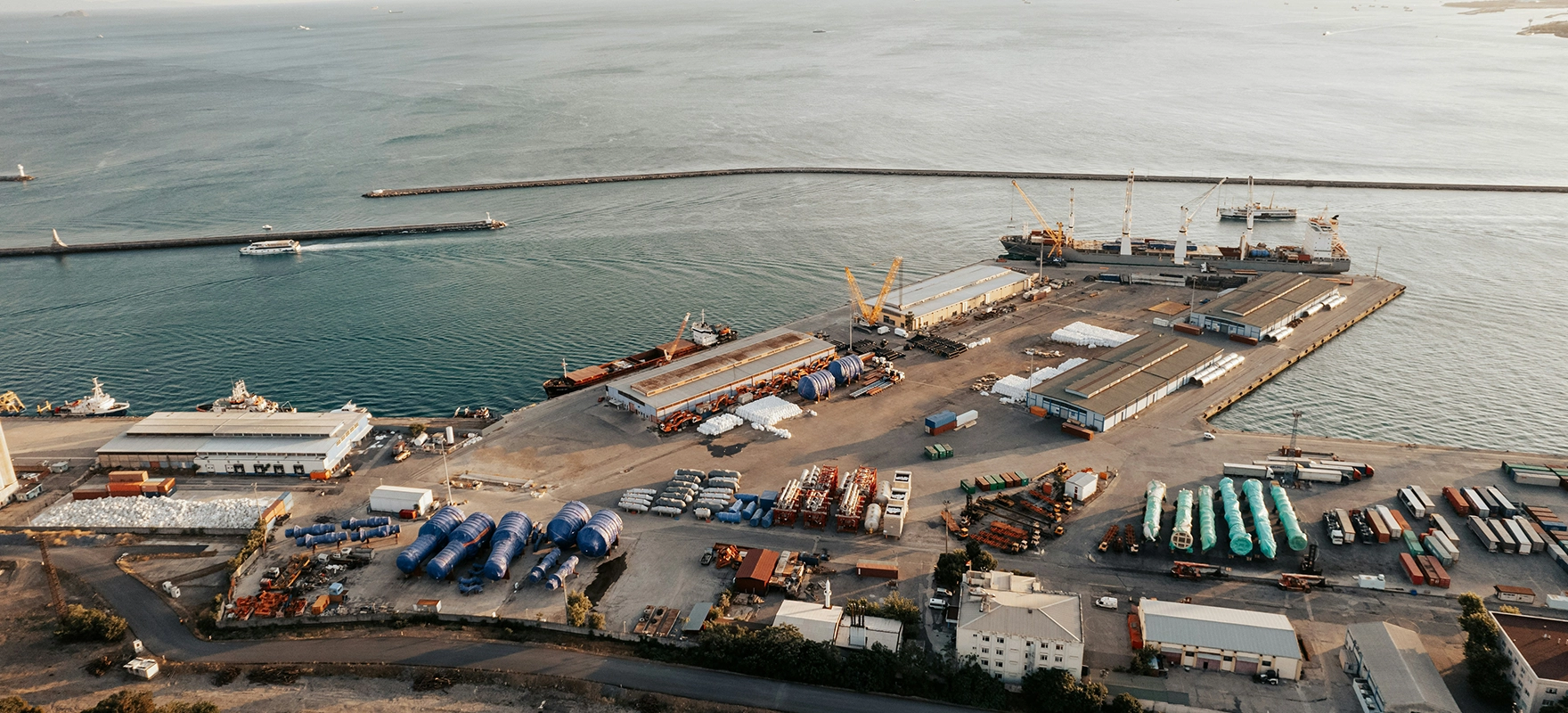
General Cargo as a Flexible Cargo Model
General cargo does not follow a single standardized unit model. A terminal may handle individual cargo units or groups of goods that differ in dimensions, weight, packaging, quantity, storage requirements and compatibility. Depending on the operation, cargo may also need individual identification or be managed as part of a larger lot.
Solvo.TOS supports both individual and grouped cargo accounting and allows operational data and handling rules to reflect the characteristics of each cargo flow. The system can maintain cargo-specific parameters, locations and statuses and support scenarios in which the structure or condition of a cargo unit changes during terminal handling.
What Makes General Cargo Operations Complex?
- The same terminal may handle cargo units that differ radically in size, weight, packaging and handling requirements. Storage and processing rules that work for palletized goods may be unsuitable for machinery, timber, paper rolls or oversized cargo.
- General cargo does not always come with a universal identifier comparable to a container number. Cargo may have to be identified through transport documents, markings, lot data or other attributes, making accurate receiving, location tracking and discrepancy control especially important for non-standard and project cargo.
- Different cargo requires different equipment and handling sequences. A particular operation may depend on cargo dimensions, weight, compatibility and the cranes, forklifts or personnel available, so resource selection cannot be separated from cargo characteristics.
- The cargo structure and status may change while it is inside the terminal. Goods can be consolidated, split, repacked, stuffed into containers or processed through other value-added operations, and every change has to remain connected with the correct documents, location and operational history.
How Solvo.TOS Helps
- Solvo.TOS applies cargo-specific storage and processing rules. Data on cargo type, dimensions, weight, packaging, compatibility and planned dispatch can be used to determine suitable storage areas and handling logic for each cargo flow.
- Cargo records are created from operational and transport data and remain connected with physical handling. Solvo.TOS can process information from bills of lading and waybills, while tally clerks use mobile workstations to confirm quantities, actual locations, handling results and damages directly during operations.
- Handling rules can define how each cargo category should be processed and which resources are required. Working technological maps and operational tasks help connect cargo characteristics with the appropriate equipment, personnel and sequence of work instead of relying solely on manual dispatcher decisions.
- The system preserves traceability when cargo is transformed or regrouped. Consolidation, repacking, stuffing and unstuffing, changes in cargo status and other processing steps can remain linked to the relevant cargo records, documents and completed operations within the same terminal environment.
General Cargo Formats Supported by Solvo.TOS
Piece & Packaged Cargo
Individual or grouped cargo units such as machinery, pipes, paper rolls, timber and other packaged or piece goods.
Palletized & Bundled Cargo
Cargo handled on pallets, in bundles or as consolidated groups while retaining the required weight, dimensions and handling attributes.
Oversized & Non-Standard Cargo
Large or irregular cargo units that require their own storage, placement and handling rules.
Big Bags & Special Packaging Formats
Big bags (FIBCs) and other cargo formats that require weight-based accounting, dedicated placement and specific handling processes.
Key Functions
Visual Storage & Cargo Location Control
Use terminal topology and storage-zone data to see where general cargo is located and manage placement across operational and storage areas.
Weight Control & Equipment Integration
Connect weighing results and other operational measurements with cargo records to keep actual cargo parameters aligned with terminal accounting and handling processes.
Auto-ID & Cargo Identification
Support barcode, RFID and other Auto-ID scenarios when additional identification is required for individual cargo units or cargo groups that do not have a universal identifier such as a container number.
Shift-Day Planning & Resource Management
Plan personnel and handling equipment according to expected cargo operations and technological requirements, generate work assignments and monitor execution during the shift.
Billing & Service Accounting
Connect storage, handling and additional cargo-processing operations with customer contracts and tariffs, allowing performed services to become part of the terminal’s billing workflow.
Featured Capability: 3D Terminal Topology & Cargo Visualization
Solvo.TOS uses a digital terminal topology to represent storage areas, operational zones and cargo locations within the physical layout of the facility in 3D.
For general cargo operations, this is especially useful when cargo units differ in dimensions, storage requirements and handling methods. Visual representation helps dispatchers understand how terminal space is being used, locate cargo and plan movements around the actual configuration of storage and handling areas.
See How Solvo.TOS Fits Your General Cargo Operations
Tell us what types of general cargo you handle and how they are received, stored, processed and dispatched. We can show how Solvo.TOS can support different cargo models, handling rules and operational workflows within one terminal environment.
FAQ
Can Solvo.TOS manage breakbulk, oversized and project cargo?
Yes. Solvo.TOS can support both individual and grouped general cargo units with different dimensions, weights, packaging and handling requirements. Cargo-specific rules can be configured for non-standard and project cargo, including scenarios where individual placement or special processing is required.
How can general cargo be identified if it does not have a standard container number?
General cargo can be tracked through its operational and transport data, individual or grouped cargo records and terminal location. Where additional identification is required, projects can also use technologies such as RFID to connect a physical cargo unit with its digital record.
Can Solvo.TOS track cargo when its structure changes during terminal handling?
Yes. Solvo.TOS can support workflows where cargo is regrouped, repacked or otherwise changes its operational structure during processing. The resulting cargo records, locations, documents and completed operations can remain linked within the same terminal workflow.