
Plan River Port Operations Around Navigation Windows and Mixed Cargo
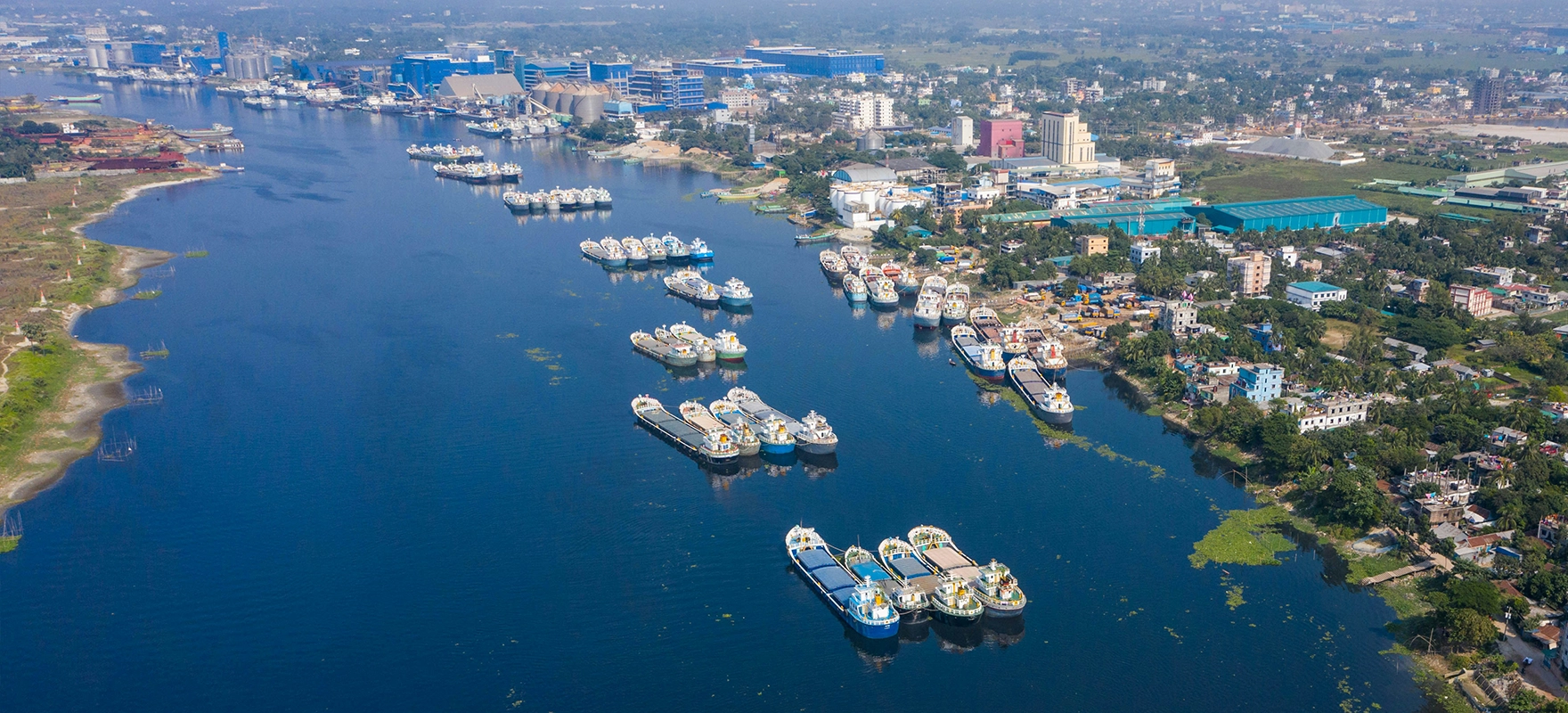
River ports operate within conditions that can change throughout the navigation season. Vessel arrivals, berth availability and cargo handling have to be coordinated around limited operating windows, while the same terminal may process bulk, general cargo, containers and other cargo flows using shared infrastructure and resources.
Solvo.TOS helps connect vessel and berth planning with cargo handling, storage, equipment and landside transport operations. By keeping these processes within one operational environment, terminal teams can adapt plans as conditions change and coordinate available resources across different cargo and transport flows.
What Makes River Port Operations Difficult to Plan?
- River port operations are strongly affected by changing navigation conditions and seasonal restrictions. When the available operating period is limited, changes in vessel arrivals or berth availability can quickly compress the time available for cargo handling.
- Vessels often need to be processed within relatively tight operational windows. If berth availability, equipment, personnel and cargo readiness are not coordinated in advance, even a local delay can affect the next vessel or handling operation.
- River ports may handle bulk, general cargo, containers, Ro-Ro and other cargo flows through the same infrastructure. These cargo types follow different handling and accounting rules while competing for common berths, storage areas, equipment and personnel.
- Berthing space and handling fronts are limited operational resources. Poorly coordinated vessel queues can create conflicts or idle periods and reduce the amount of productive work completed during the available navigation window.
How Solvo.TOS Helps
- Berth planning can take vessel and berth constraints into account before a call is scheduled. Solvo.TOS considers vessel length and draft, berth parameters, availability and existing reservations and highlights conflicting time slots.
- Shift-day planning connects operational deadlines with available resources. Personnel and equipment can be assigned to vessel, rail, truck and yard operations according to the expected workload and required productivity.
- Different cargo flows can remain within one operational environment. Containers, bulk and general cargo can be managed alongside each other while the terminal keeps a common view of transport, cargo locations, tasks and operational status.
- The terminal layout can be used as an operational planning tool. Visual topology, logical zoning and occupancy data help dispatchers understand where cargo and equipment are located and how available areas are being used.
Key Features of Solvo.TOS for River Ports
Cargo-Specific Accounting
Manage bulk, general cargo, containers and other cargo types using the appropriate units, attributes and operational records for each flow.
Rail & Truck Connections
Coordinate landside cargo arrivals and dispatch with terminal storage and vessel operations within the same operating environment.
Mobile Cargo Handling & Inspection
Send tasks to operational personnel, scan and identify cargo objects, register handling results and record damages directly at the point of operation.
Equipment Task Management
Assign handling work to terminal equipment and personnel and maintain visibility of task status as cargo moves between operational fronts.
Billing & Operational Documentation
Connect completed terminal services with commercial records, customer documentation and billing data instead of reconstructing operations after the fact.
See How Solvo.TOS Fits Your River Port
Every river terminal works within its own navigation, cargo and infrastructure constraints. Tell us about your operating model, and we can show how Solvo.TOS can support planning and execution across vessel, cargo and landside processes.
Discuss Your Terminal Operations
FAQ
What does a TOS manage at a river port?
A TOS helps river ports coordinate vessel and berth operations, cargo handling, storage, equipment, rail and truck processes within one operational environment. Solvo.TOS also supports documentation, resource planning and real-time operational control, allowing different terminal activities to be managed as connected workflows.
Can Solvo.TOS manage different cargo types at a river port?
Yes. Solvo.TOS supports containers, general cargo, Ro-Ro, bulk and other cargo flows. Different cargo types can use their own accounting and handling rules while remaining within the same digital environment — an important capability for river ports and terminals that combine several cargo handling scenarios.
How can Solvo.TOS support operations within limited navigation or handling windows?
Solvo.TOS provides berth, vessel, equipment and shift-day planning tools that help terminals coordinate available resources and operational fronts. Berth planning can take vessel draft, berth depth, availability and occupancy into account, while operational plans help teams organize cargo handling within the time available.