Southeast Asia’s Logistics Boom Is Reshaping the Industry
By 2025, the ASEAN freight and logistics sector is expected to reach approximately USD 288 billion, with projections approaching USD 390 billion by 2030. This growth is driven by rising intra-regional trade, manufacturing expansion, and the continued acceleration of e-commerce.
As infrastructure develops across the region, ports are becoming critical nodes in increasingly complex and interconnected supply chains.
Within this dynamic landscape, the Philippines stands out as a strategically important maritime hub.
The Philippines: A Port-Centric Logistics Ecosystem
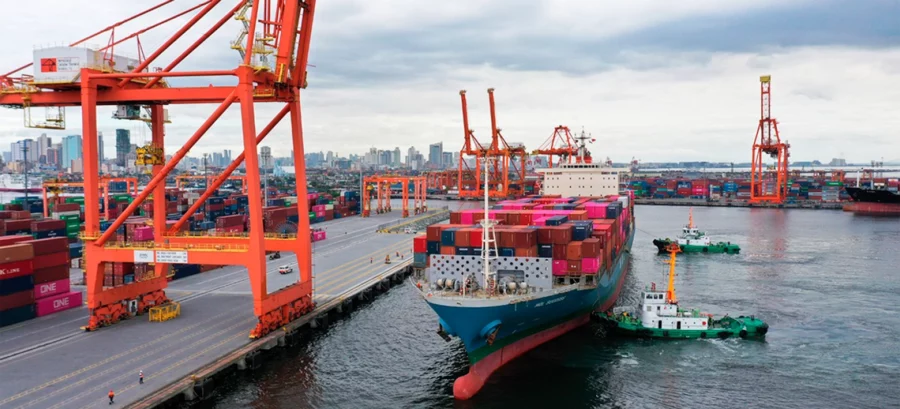
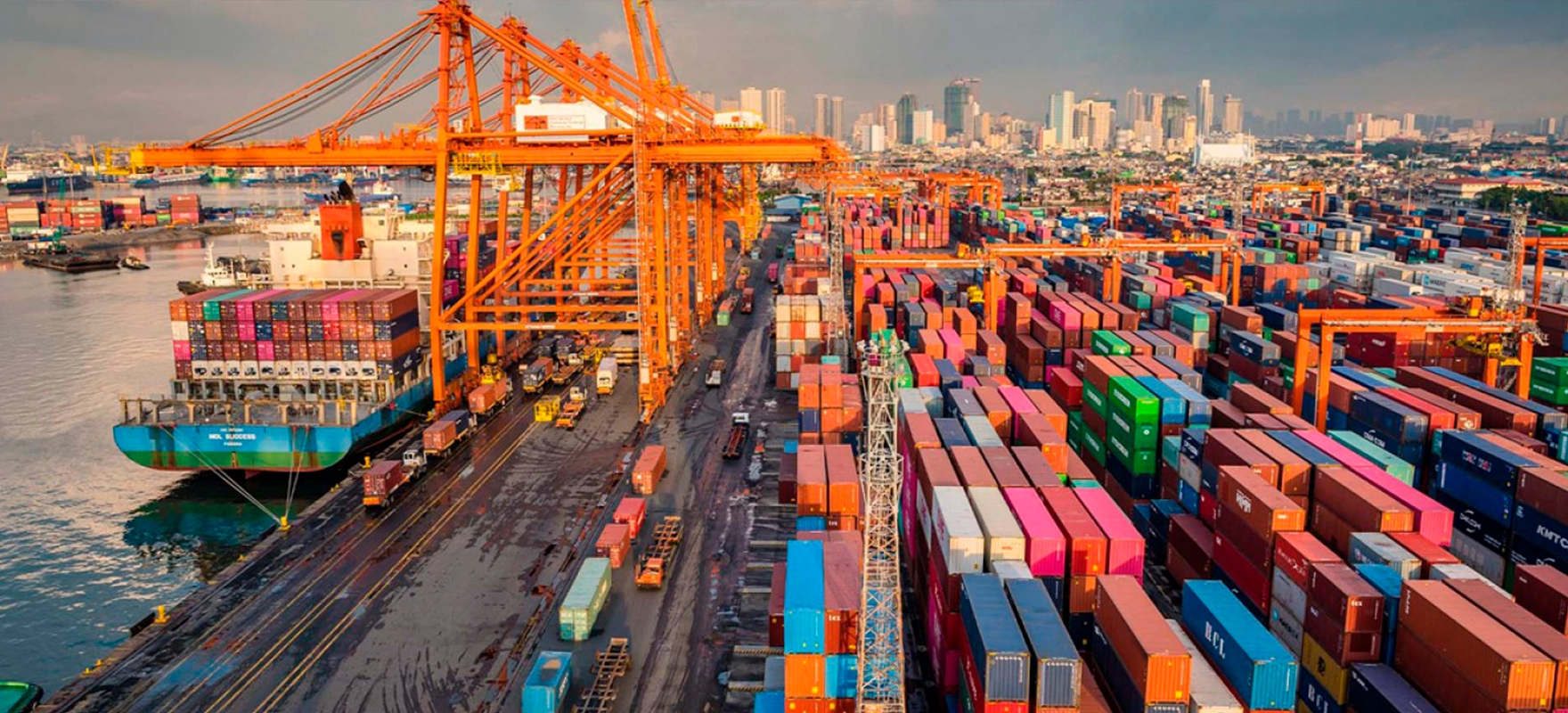
The Philippines operates one of the most extensive port networks in the world, with more than 400 ports serving an archipelago of over 7,600 islands.
With annual cargo throughput approaching 290 million tons and container traffic exceeding 7 million TEU, ports are not only a backbone of domestic logistics but also a key component of the country’s growing role in regional trade.
Due to its geography, the Philippine logistics system remains heavily port-centric, with sea transport accounting for the majority of freight movement. As ASEAN integration deepens, this role is only becoming more significant.
ASEAN Integration Is Raising the Bar for Ports
As regional trade frameworks evolve and cross-border flows intensify, ports across Southeast Asia — including the Philippines — are facing a new operational reality.
Growing trade volumes bring:
- Higher cargo throughput
- Increased multimodal coordination
- Stricter service-level expectations
- Greater demand for seamless data exchange
For an island economy, this creates additional complexity. Ports must not only handle more cargo but also operate as integrated nodes within broader digital supply chains.
In this environment, efficiency alone is no longer enough. Ports must become digitally integrated ecosystems.
Key Operational Challenges Facing Philippine Ports
As trade volumes increase, several structural challenges are becoming more visible in the Philippine port sector.
Yard Congestion in High-Load Terminals
Traffic concentration in major gateways such as Manila leads to periodic congestion and high yard occupancy. This results in:
- Increased re-handling
- Slower truck turnaround
- Reduced berth productivity
Growing Pressure on Berth Planning
With rising vessel traffic, manual coordination becomes increasingly inefficient. Without structured planning, terminals face:
- Scheduling conflicts
- Delays in cargo handling
- Reduced operational predictability
Fragmented IT Landscape
As supply chains become more interconnected, the lack of system integration creates:
- Data silos
- Manual processing
- Higher risk of delays and errors
Digitalization as a Strategic Requirement
Against this backdrop, digital transformation is no longer optional for port operators in Southeast Asia.
It is becoming a structural requirement for:
- Operational efficiency
- Transparency
- SLA compliance
- Long-term competitiveness
Modern ports must support real-time coordination, standardized data exchange, and full visibility across operations.
How Solvo.TOS Supports Terminal Transformation
To address these challenges, advanced Terminal Operating Systems play a central role.
Solvo.TOS enables terminals to:
- Achieve real-time operational visibility across yard, berth, and gate
- Automate equipment assignment and task management
- Improve berth planning and vessel turnaround efficiency
- Ensure seamless integration with external systems via APIs and EDI
- Reduce manual intervention and increase data accuracy
By acting as a digital core of terminal operations, the system supports both scalability and interoperability.
Philippine Ports and Logistics 2026: A Platform for Industry Dialogue
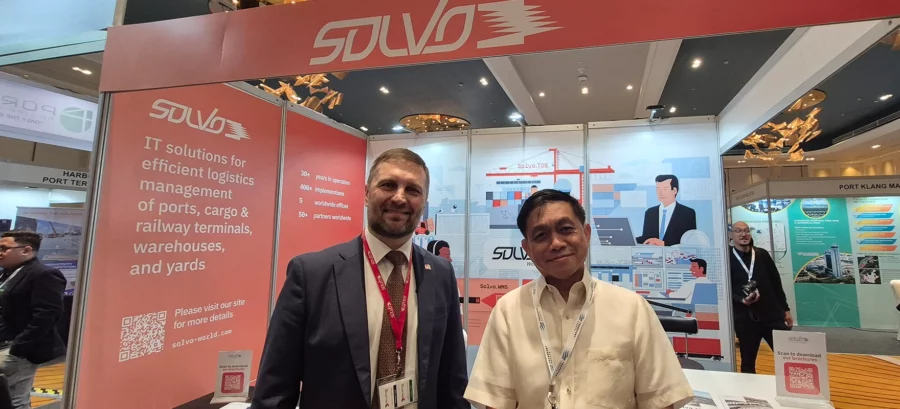
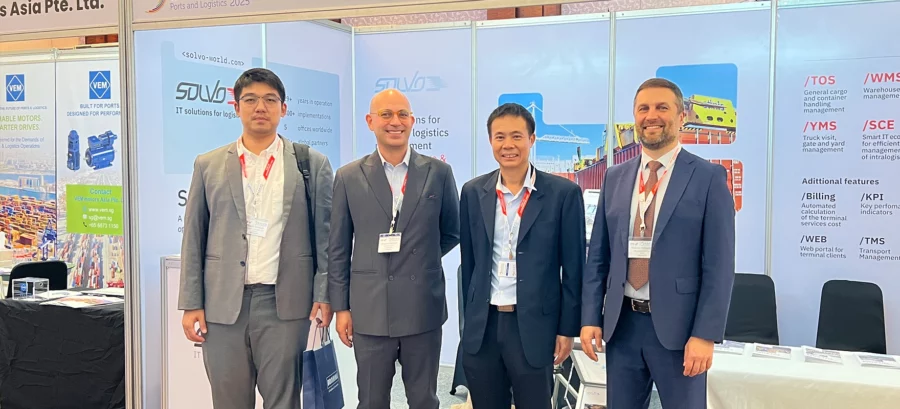
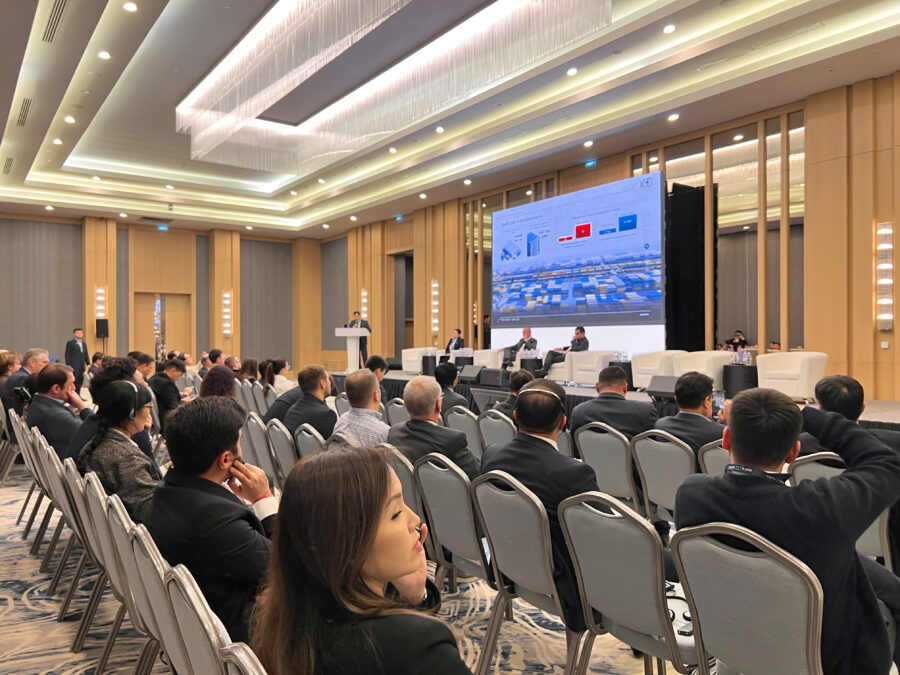
These topics were at the center of discussions at Philippine Ports and Logistics 2026, the largest biennial ports and logistics exhibition and conference in the region. From 10–12 March, the event brought together industry stakeholders to explore infrastructure development, digitalisation, and the future of port operations in Southeast Asia Solvo participated in the event to engage with partners and industry professionals and to discuss how digital technologies can support terminal transformation in the ASEAN region.
As Southeast Asia continues to grow as a global trade hub, ports will remain at the center of this transformation. However, growth alone is not enough. The ability to manage complexity, integrate systems, and ensure real-time operational control will define the next generation of competitive terminals. At Solvo, we believe that digitalisation is the foundation for this transition — and we are committed to supporting ports across Southeast Asia in building efficient, transparent, and future-ready operations.